Feeling puffy, heavy or stiff? Here is what your lymphatic system actually does, a short daily routine from a therapist who has treated 26,000+ people, what the research says – and when to skip it and see a doctor.
4 guides3 products comparedExpert: Rune Åbø, 26,000+ people treatedHow we compare
Owned by PainFreeU Technology AS (Norway). We have no commission deals with the stores linked here yet. Our own products, if any, are labelled “Our product”. About us
Short answerYou need no equipment – your hands are enough. Do three short techniques with firm pressure for a few minutes a day for a few days, keep moving, and talk to a doctor first if you take blood thinners, have cancer, a blood clot, an infection or heart failure. Tools can help you reach your back and hips, but they do not work better than your hands.
Quick picks: tools people use
Owned by PainFreeU Technology AS (Norway). We have no commission deals with the stores linked here yet. Sorted by need, not a test ranking – Rune has not assessed these products yet.
Lymph has no pump of its own. Your muscles, movement and breathing move it.
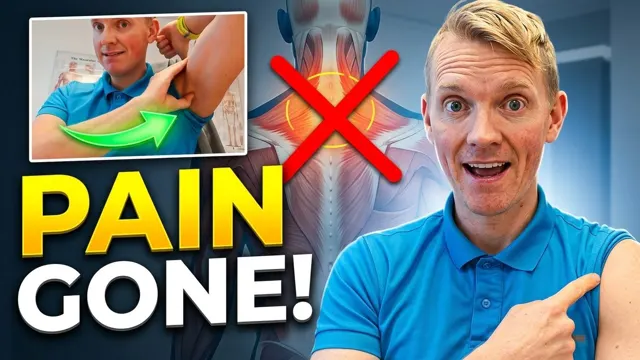
Rune’s general routine is three techniques: the shoulder blade, the side of the neck and the armpit – in that order.
Use firm pressure. 6–7 out of 10 is the ceiling, not the goal. Stop at 8 or if you feel tingling or dizziness.
For lymphoedema, manual lymphatic drainage is one part of care alongside compression and exercise. For healthy people the evidence is thin.
Blood thinners, cancer, a clot, infection, heart failure or unexplained severe pain: talk to a doctor first.
What is lymphatic drainage?
Your lymphatic system is the body’s own drainage network. It collects fluid that leaks out of the smallest blood vessels into your tissues and carries it back to the blood. On the way, the fluid passes through lymph nodes, which are part of your immune system.
Lymphatic drainage simply means helping that fluid along. Many people call it lymphatic massage. Manual lymphatic drainage (MLD) is also a specific treatment used by trained therapists, for example for lymphoedema, and it uses light, rhythmic skin strokes.
Rune Åbø has treated 26,000+ people with lymphatic treatment. His method is not massage: firm pressure with a quick twist or a quick pull, on the muscles around the large lymph nodes. It is a different approach from classic MLD, so do not expect the two to feel the same.
Simplified: the main areas where lymph nodes sit, and the direction most lymph travels. Rune starts near the exits (shoulder blade, neck, armpit) before working further out.
Here is the key point: the lymphatic system has no heart to pump it. Lymph moves mostly because muscles contract when you move, and because breathing changes the pressure in your chest and belly. That is why so much of lymph flow comes down to movement, breathing and muscles that get to work.
Rune explains it with a garden hose. If the hose has a kink, little water comes out even with the tap fully open. His theory, built on the treatments he has done, is that a tight muscle around the large lymph nodes can act like that kink. The muscles are the pump, and a tight or underused muscle can slow the flow. That is a clinical theory from his practice, not an established fact – and we say so.
Signs people look for – and what they can mean
Search engines are full of lists of “signs your lymphatic system is sluggish”. Most of them are vague: tiredness, bloating, brain fog. Those can have countless causes, and a lymph routine is not a test for any of them.
What is more concrete is swelling. Puffy ankles after a long flight, rings that feel tight in the heat, or a heavy feeling in the legs after a day on your feet are common and usually harmless. Swelling that is new, one-sided, painful, or does not settle overnight is a different matter – see the doctor section further down.
Before you start: when to talk to a doctor first
In some situations you should talk to a doctor before doing lymphatic drainage – also if you plan to use a tool:
Blood thinners, such as warfarin (Coumadin)
Lymphoma (lymph cancer), or any cancer that is active or being treated
A blood clot now or recently, or a suspected clot (for example one calf that is swollen, warm and painful)
An acute infection, fever, or skin that is red, hot and swollen
Heart failure, or swelling in both legs that has appeared for no known reason
Severe pain that has not been checked by a doctor
This is not meant to scare you. It just means your doctor should know, and someone who knows your health should help decide what fits. If you are pregnant, have high blood pressure, or are unsure for any other reason, a quick chat with your doctor is also wise.
How to do lymphatic drainage on yourself: the 3-step routine
This is the general routine Rune uses in PainFreeU, quoted word for word. Watch the videos first – it is easier to see the grip than to read about it.
Quoted word for word from PainFreeU · method by Rune Åbø
=== PROTOCOL 13: GENERAL LYMPHATIC DRAINAGE ===
Tip 1: Infraspinatus release — starting point for all lymphatic drainage
Video: https://youtu.be/7_vcZ4iQqv4
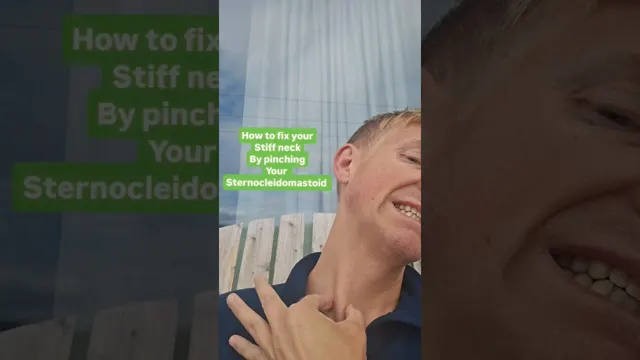
Tip 2: Pinch SCM — central lymph flow from head to body
Video: https://youtube.com/shorts/s_yFT1QplAg
Tip 3: Thumb hook in the armpit — opens flow to arm and upper body
Video: https://youtu.be/o8CGmmTAyF4
Maintenance: "Start with these 3 techniques daily for a few days to improve your overall lymph flow."
The order matters. Think of a queue: pushing at the back does little if nothing moves at the exit. Much of the lymph from your upper body drains towards the area around the collarbone and armpit. So you start there before working on the rest of the body. Rune’s experience is that the steps are ordered by how likely they are to give a noticeable change – and that a small change after step 1 makes it more likely the next steps help too.
How to run a session
Set aside 5–10 minutesSit or lie somewhere you can relax your shoulders.
Breathe deeply a few timesIn through the nose, out through the mouth. Breathing moves the diaphragm, which helps fluid in the chest and belly.
Follow the three techniques in orderWatch each video first so you find the right spot.
Use firm pressure with a quick twist or pullAs the videos show. It may be noticeable, but 6–7 out of 10 is the ceiling, not the goal.
Finish with movementA short walk, some ankle pumps or arm swings. Movement is the engine of the lymphatic system.
If you feel tingling, dizziness or pain at 8 out of 10 or more, stop, release the pressure and do not repeat that movement. It is not something to push through.
Our own app · Ad: Rune’s routines, with the videos in the right order for what you feel, are also in PFU Pocket from PainFreeU. This is our own product.
Does lymphatic drainage work? What the research says
It depends on what you expect. Here is our honest reading of the evidence, from strongest to weakest:
Good evidenceMovement and muscle work move lymph
This is basic physiology: lymph is pushed forward by muscle contractions and breathing. Walking, calf raises and strength training all help the system do its job.
Some evidenceManual lymphatic drainage for lymphoedema
In lymphoedema, MLD is used together with compression, exercise and skin care. A Cochrane review found it may add a modest benefit on top of compression, with mixed results across studies. Lymphoedema is a long-term condition that is managed, not made to go away.
Good evidenceCompression socks on long flights
A Cochrane review found that compression stockings on flights of 4 hours or more reduce leg swelling and symptomless clots in the leg.
Weak evidenceFeeling lighter after a routine
Many people report that self-care and putting their legs up eases a heavy feeling. That is a reasonable expectation, but studies in healthy people are few.
No good evidence“Detox”, weight loss and cellulite claims
We have found no good evidence that lymphatic drainage “cleanses” the body, burns fat or gets rid of cellulite. Be wary of anyone who promises that.
Our position: lymphatic drainage at home can help some people feel lighter, and you get to know your own body along the way. It is not medical treatment, and it does not replace a physical therapist if you have lymphoedema or swelling you cannot explain.
How to support lymph flow every day
What you do the rest of the day probably matters more than ten minutes of self-care. The muscles are the pump, so use them:
Move often. Short walks, stairs and ankle pumps when you sit for long use your calf muscles as a pump.
Put your legs up for a while in the evening if they feel heavy.
Breathe deeply a few times during the day.
Strength training for big muscle groups – calves, thighs, glutes – means more muscle work around the main lymph pathways.
Drink steadily through the day.
If you use a tool, the goal is the same: steady, controlled pressure where your hands cannot reach. A tool is not more effective than your hands, but it can make it easier to reach the shoulder blade, hip and back.
Tools for lymphatic drainage at home
You do not need a tool to start. Some people like one for places they cannot reach, or to make the routine a habit. Here are the best-known options from US and UK stores with price and date. This is not a ranking, and Rune has not tried them yet.
How we compare the products here
What the tool is made for, according to the maker
Price in US and UK stores, with the date we checked
Customer ratings as each store shows them – few ratings count for little
Whether it supports what actually moves lymph: muscle work, movement and pressure you control
Who it suits – and who should talk to a doctor first
The order is not a test ranking. When Rune has tried them, we will add his verdict. How we compare
Comparison table
Product
Best for
From
Ratings
Rune’s verdict
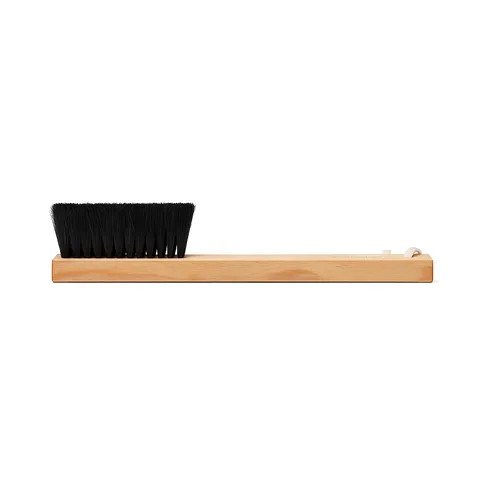
Costa Brazil Lymphatic Dry Brush
anyone who wants a dry-brushing ritual and likes a premium brand
Ratings are shown as published by each store, with the store and count. We never combine other people’s ratings into a score of our own. Owned by PainFreeU Technology AS (Norway). We have no commission deals with the stores linked here yet.
The products one by one
Costa Brazil Lymphatic Dry Brush
Best for anyone who wants a dry-brushing ritual and likes a premium brand
No customer ratings found in the stores we checked (2026-10-01).
Type: Dry body brush
Use: On dry skin
Pros
Made for dry brushing
Sold directly by the brand
Cons
No good evidence that dry brushing moves lymph
Pricier than basic brushes
No customer ratings found
Rune’s verdict: coming
From $45 · Stores (prices checked Oct 1, 2026): Costa Brazil $45
There are roughly five types of tools sold for lymphatic drainage. Our full comparison is on the tools page; here is the short version:
Dry body brush: light strokes over the skin. Very popular, cheap and pleasant, but we have found no research showing it changes lymph flow.
Gua sha and facial rollers: for the face and neck. Cold rollers can reduce morning puffiness for a short while; claims beyond that are weak.
Compression socks: good evidence for long flights and long days on your feet. The most evidence-based tool on this list.
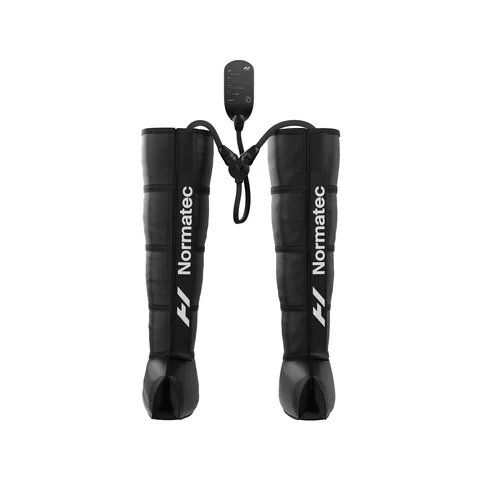
Compression boots: air-filled sleeves that squeeze in waves. Medical versions are prescribed for lymphoedema; consumer recovery boots are expensive and the evidence for healthy people is limited.
Rebounder (mini trampoline) and vibration plate: both get your muscles working. The movement is the point – the device itself has little specific evidence.
Heavy, swollen legs are one of the most common reasons people look for help. The legs have the longest way back to the heart, and the calf muscle is the most important pump. Rune’s routine for runners and the legs is on its own page:
Rune has not tried these products yet – no results are published.
We compare products on facts we can check: what the maker says the tool is for, the price in US and UK stores on a given date, and customer ratings as each store shows them. Nothing on this site is a lab test or a hands-on review.
Rune will buy each product himself and note price, weight and size.
Each one will be used for 14 days, five times a week, for 5–10 minutes, following his fixed routine for the back, shoulder blade, hip, calf and foot (or face, for facial tools).
After each session he will note how easy it was to reach the area, how even the pressure was, any discomfort, and how long it took.
He will judge material, grip, cleaning and how the product holds up to daily use.
Then he writes a short verdict per product with pros, cons and who it suits. Until then every product says “Rune’s verdict: coming”.
Most people who feel puffy or heavy after a long day do not need a doctor. But some signs should always be checked, and it helps to know them in advance.
Swelling in one leg that comes on suddenly, especially with warmth, redness or pain in the calf
Sudden shortness of breath, chest pain or coughing up blood – call 911 (US) or 999 (UK)
Red, hot, tender skin that is spreading, often with a fever
Swelling that does not go down overnight, or that keeps growing over several weeks
Swelling in an arm or leg after cancer treatment or surgery where lymph nodes were taken out
Swelling in both legs together with breathlessness, less stamina, or needing extra pillows to sleep
Hard, enlarged lymph nodes that have not gone back to normal within a few weeks
If you are unsure, contact your doctor, urgent care, or NHS 111 in the UK. Self-care comes in addition to an examination, never instead of one.
Frequently asked questions
Can I do lymphatic drainage on myself?
Yes. Rune’s general routine is three techniques you do with your own hands: infraspinatus release on the shoulder blade, pinching the SCM muscle on the side of the neck, and a thumb hook in the armpit. Use firm pressure for 5–10 minutes and finish with some movement.
How often should I do lymphatic drainage?
The PainFreeU routine suggests doing the three techniques daily for a few days. After that, use them when you feel the need.
How hard should I press?
Firmly. Rune works with firm pressure and a quick twist or pull, not light strokes. It may be noticeable, but 6–7 out of 10 is the ceiling, not the goal. At 8 or more, release, stop and do not repeat the movement.
How long does it take to notice anything?
Some people notice a lighter feeling straight after a session, others after a few days, and some notice nothing. If swelling keeps coming back or gets worse, have it checked.
What are signs that lymphatic drainage is working?
The honest answer: a lighter feeling, less puffiness or easier movement are what people report. There is no reliable home test. Needing to pee more is often mentioned online, but it is not a proven sign.
Who should not do lymphatic drainage?
Talk to your doctor first if you take blood thinners, have lymphoma or active cancer, a blood clot, an acute infection, heart failure, or severe pain that has not been checked.
Do I need a tool?
No. Your hands are enough to start. A tool can make it easier to reach the back, shoulder blade and hip, but it does not work better than your hands.
Does dry brushing help lymphatic drainage?
It is pleasant and exfoliates the skin, but we have found no good research showing that dry brushing changes lymph flow.
Does lymphatic drainage help lymphoedema?
In lymphoedema, manual lymphatic drainage from a trained therapist, compression and exercise are common parts of care. Lymphoedema is a long-term condition, and care aims to keep it under control. If you have it, agree on any self-care with your therapist.
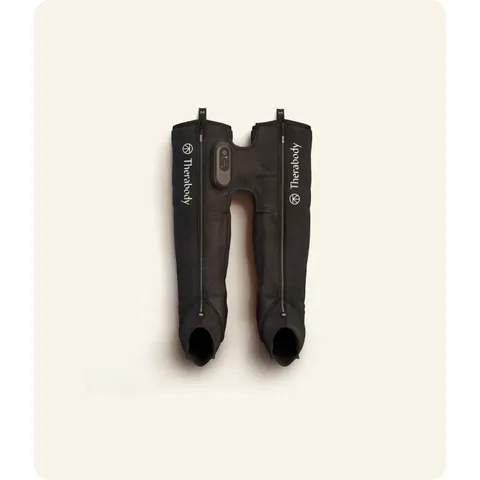 Therabody JetBoots Prime
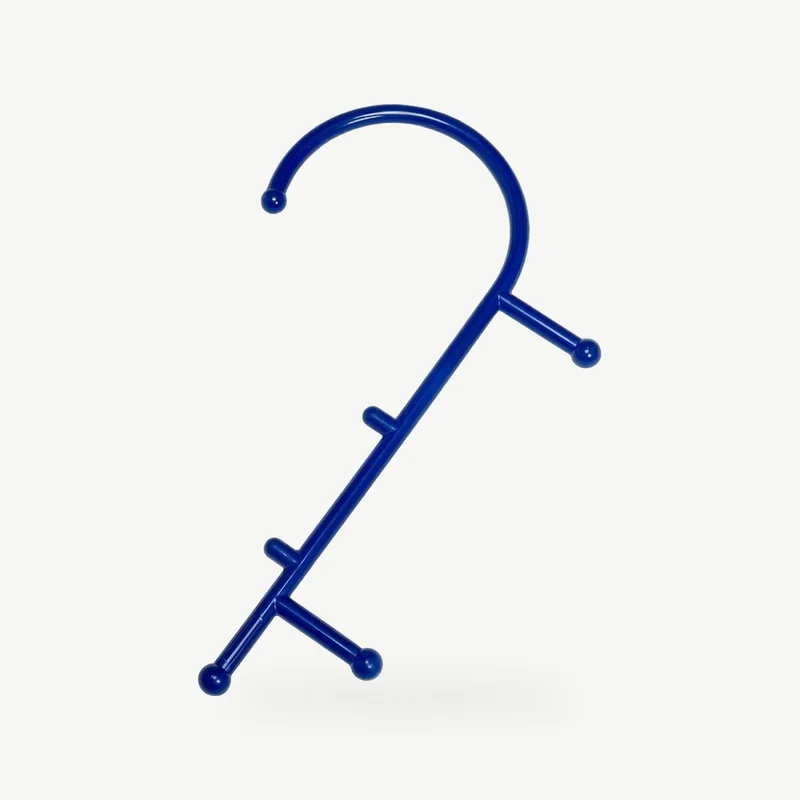 PainFreeU Lymph Cane (our product · ad)
 PainFreeU Massage Ball for Lymph-Focused Routines (our product · ad)
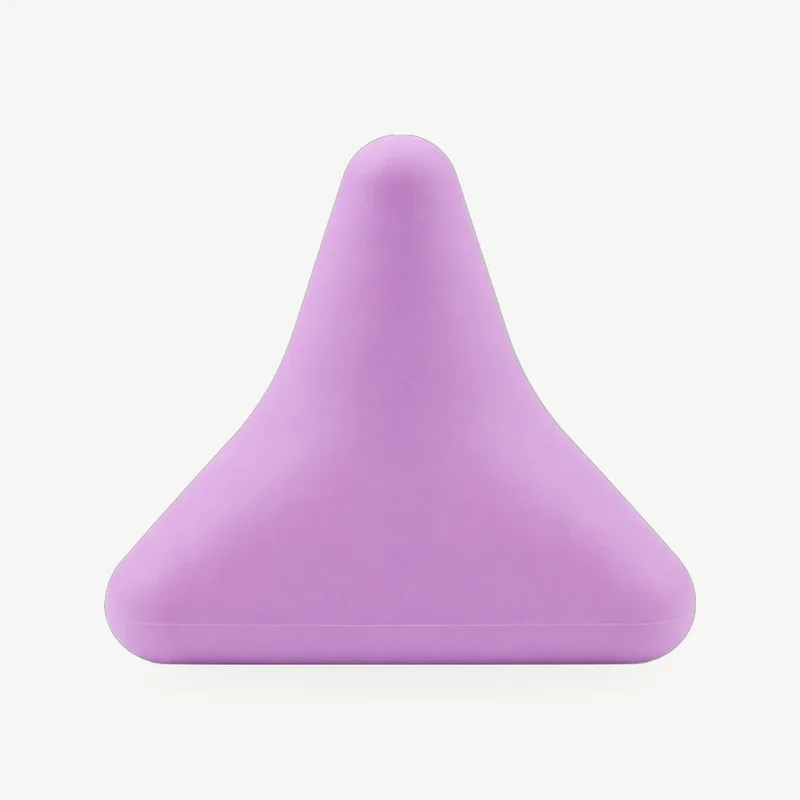 PainFreeU Massage Cone (our product · ad)