Lymphatic drainage tools compared: what each one really does
Dry brushes, gua sha, compression socks, recovery boots, rebounders and vibration plates – compared on purpose, price and evidence, with a therapist’s view on what matters more than any gadget.
Expert reviewer: Rune Åbø, personal trainer and therapist · Last updated October 1, 2026 · How we compare
Owned by PainFreeU Technology AS (Norway). We have no commission deals with the stores linked here yet. Our own products, if any, are labelled “Our product”. About us
Start in 60 seconds
You do not need a tool to startYour hands are enough for Rune’s routine.
Cheapest startA cold face roller or a soft dry brush – both under $20 at Target when we checked.
Swollen legs after travel or long daysCompression socks have the best evidence of anything on this page.
Big budgetCompression boots. Go through the doctor list first – they are not for clots, heart failure or leg infections.
Short answerIf you buy one thing, buy compression socks: they have the best evidence, for long flights and long days on your feet. A dry brush or gua sha is a cheap, pleasant habit, but there is no good proof it moves lymph. Compression boots are a big spend with limited evidence for healthy people. None of them replaces moving your muscles.
Quick picks by need
Owned by PainFreeU Technology AS (Norway). We have no commission deals with the stores linked here yet. Sorted by need, not a test ranking – Rune has not assessed these products yet.
Before the products: here is how each type of tool stacks up. We rate the evidence, not the brands.
Good evidenceCompression socks (15–30 mmHg)
Cochrane: on flights of 4+ hours, they reduce leg swelling and symptomless leg clots. Also widely used for swelling from standing or sitting all day.
Some evidenceCompression boots (pneumatic)
Medical pneumatic compression devices are prescribed for some people with lymphoedema. For healthy people using recovery boots, the evidence is limited and mixed.
Weak evidenceRebounder (mini trampoline)
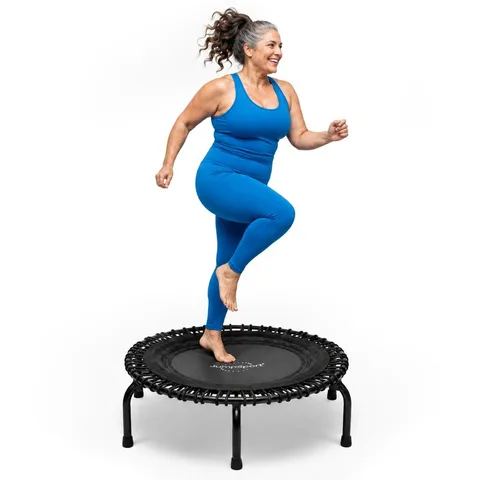
Any movement that works the calves helps lymph flow. We have found no good research showing bouncing is better than walking.
Weak evidenceVibration plate
Small studies on circulation and recovery; little direct evidence on lymph. Expensive for what it offers.
Weak evidenceGua sha and ice rollers
Cold can reduce morning puffiness for a short while. Gua sha studies are small and mostly about muscle pain, not lymph.
No good evidenceDry body brush
We found no good research showing dry brushing changes lymph flow. It exfoliates the skin, and many enjoy it as a ritual.
How to choose: three questions
What do you want to change?Swollen ankles on flights or at work: compression socks. Puffy face in the morning: a cold roller. A routine you enjoy: a dry brush or gua sha. Recovery after hard training: maybe boots, if budget allows.
Where do you need to reach?Your hands reach your neck and armpits fine – that is where Rune’s routine starts. Tools mostly help with legs and back.
Will you actually use it?A $20 brush you use every day beats an $899 boot that sits in a cupboard. Movement is free and has the best evidence of all.
Every tool we compared
Sorted by type, cheapest first within each type. This is not a ranking, and Rune has not tried these products yet. We only list products where we could read the price directly from the store; more are added as we verify them. Prices are from the stores on the date shown and change often.
How we compare the products here
What the tool is made for, according to the maker
Price in US and UK stores, with the date we checked
Customer ratings as each store shows them – few ratings count for little
Whether it supports what actually moves lymph: muscle work, movement and pressure you control
Who it suits – and who should talk to a doctor first
The order is not a test ranking. When Rune has tried them, we will add his verdict. How we compare
Comparison table
Product
Best for
From
Ratings
Rune’s verdict
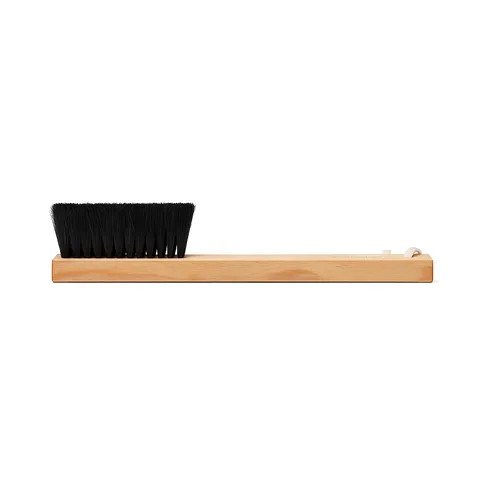
Costa Brazil Lymphatic Dry Brush
anyone who wants a dry-brushing ritual and likes a premium brand
Ratings are shown as published by each store, with the store and count. We never combine other people’s ratings into a score of our own. Owned by PainFreeU Technology AS (Norway). We have no commission deals with the stores linked here yet.
The products one by one
Costa Brazil Lymphatic Dry Brush
Best for anyone who wants a dry-brushing ritual and likes a premium brand
No customer ratings found in the stores we checked (2026-10-01).
Type: Dry body brush
Use: On dry skin
Pros
Made for dry brushing
Sold directly by the brand
Cons
No good evidence that dry brushing moves lymph
Pricier than basic brushes
No customer ratings found
Rune’s verdict: coming
From $45 · Stores (prices checked Oct 1, 2026): Costa Brazil $45
Best for beginners who want a cheap, soft brush to start a daily dry-brush habit
★ 4.8 of 5 from 201 ratings at Target · checked Oct 1, 2026
Type: Palm dry brush
Bristles: Soft, vegan
Pros
Very low price
Soft bristles suit sensitive skin
Cons
No long handle – hard to reach your back
Too soft if you like a firm brush
Buyers praise: soft bristles that suit sensitive skin; skin feels smoother after use. Buyers complain about: no long handle for the back; too soft for people who want firm brushing. (Summarized in our own words.)
Rune’s verdict: coming
From $14 · Stores (prices checked Oct 1, 2026): Target $14
Best for anyone who wants a gua sha that will not chip or break and can be used cold
★ 4.8 of 5 from 39 ratings at Target · checked Oct 1, 2026
Type: Gua sha stone
Material: Stainless steel
Pros
Steel holds cold well from the fridge
Will not crack if dropped
Cons
Takes some practice to learn the strokes
Heavier feel than stone
Buyers praise: sturdy, a buy-once tool; feels calming when used cold. Buyers complain about: one buyer doubted it is really stainless; the technique takes practice. (Summarized in our own words.)
Rune’s verdict: coming
From $27 · Stores (prices checked Oct 1, 2026): Target $27
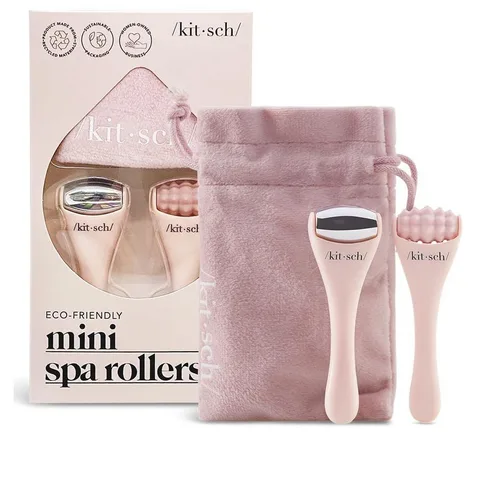
Best for puffy mornings – a cold roll along the drainage lines in under two minutes
★ 4.8 of 5 from 1,268 ratings at Target · checked Oct 1, 2026
Type: Face and neck ice rollers
Material: Stainless steel
Pros
Lowest-cost way to start
Over a thousand store ratings
Cons
Rollers are very small
Mainly a cooling effect
Buyers praise: cooling, eases morning puffiness; a cheap at-home spa moment. Buyers complain about: the rollers are very small; some felt little beyond the cold. (Summarized in our own words.)
Rune’s verdict: coming
From $16 · Stores (prices checked Oct 1, 2026): Target $16
Best for people who want compression boots without hoses, at a lower price than full-leg systems
★ 4.8 of 5 from 47 ratings at Target · checked Oct 1, 2026
Type: Wireless compression boots
Design: Lightweight, portable
Pros
Wireless, no hoses
Lower price than many full-leg boots
Cons
Still a big spend
Limited evidence for healthy people
Not for clots, heart failure or leg infections
Buyers praise: foldable and light, with a backpack for travel; less tired, heavy legs after use. Buyers complain about: no display of time left in a session. (Summarized in our own words.)
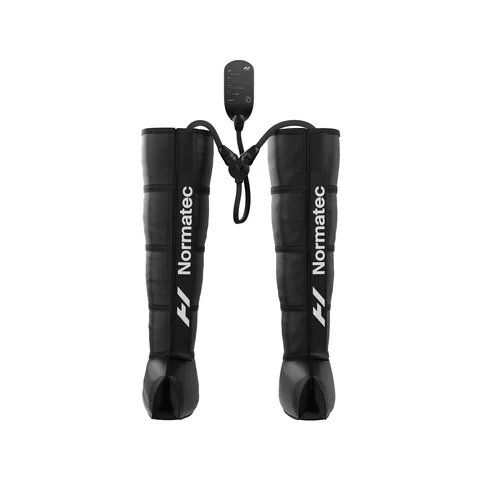
Best for runners who want a recovery routine and have the budget
★ 4.8 of 5 from 320 ratings at Best Buy · checked Oct 1, 2026
Type: Pneumatic compression boots
Coverage: Feet to hips
Pros
Covers the whole leg
Well-known recovery brand
Cons
Big spend
Limited evidence for healthy people
Not for clots, heart failure or leg infections
Buyers praise: legs feel fresher the next day; easy setup, small enough for travel; long battery life. Buyers complain about: the high price; one-size fit does not suit very short or tall users; pressure felt lower than expected by some athletes. (Summarized in our own words.)
Rune’s verdict: coming
From $899 · Stores (prices checked Oct 1, 2026): Hyperice $899
Compression is measured in mmHg. 15–20 mmHg is mild and common for travel and long days. 20–30 mmHg is firmer and often used for more swelling. Higher levels, or any compression if you have poor circulation in your legs, should be agreed with a doctor.
Measure your ankle and calf in the morning, before swelling builds up, and follow the maker’s size chart.
Knee-high is enough for most travel needs.
They should feel snug, not painful. Numbness, tingling or colour changes in your toes mean take them off.
People with peripheral arterial disease, diabetes with nerve damage or fragile skin should ask a doctor first.
Compression boots: worth the money?
Recovery boots like Normatec and Therabody’s RecoveryAir inflate air chambers from the foot upwards, squeezing in waves. Many runners love the feeling. But they cost several hundred dollars, and the evidence for healthy people is limited.
If you have lymphoedema, talk to your therapist: medical pneumatic compression devices are a different category, set up for your condition. Do not use boots if you have a known or suspected blood clot, heart failure, or an infection in the legs.
Dry brushing: how people do it
Rune does not have a dry brushing protocol, so we only describe what the brush is and what the evidence says. Brushes are sold as lymph tools, but the evidence is about skin feel, not lymph. If you enjoy it, use light strokes on dry skin, avoid broken or irritated skin, and keep the brush clean and dry.
What matters more than any tool
Rune’s three-step routine needs no equipment, and the most effective “tool” for lymph is your own calf muscle. Walk, use the stairs, do ankle pumps on the plane. Then add a tool if it makes the habit easier.
Rune has not tried these products yet – no results are published.
We compare products on facts we can check: what the maker says the tool is for, the price in US and UK stores on a given date, and customer ratings as each store shows them. Nothing on this site is a lab test or a hands-on review.
Rune will buy each product himself and note price, weight and size.
Each one will be used for 14 days, five times a week, for 5–10 minutes, following his fixed routine for the back, shoulder blade, hip, calf and foot (or face, for facial tools).
After each session he will note how easy it was to reach the area, how even the pressure was, any discomfort, and how long it took.
He will judge material, grip, cleaning and how the product holds up to daily use.
Then he writes a short verdict per product with pros, cons and who it suits. Until then every product says “Rune’s verdict: coming”.
Most people who feel puffy or heavy after a long day do not need a doctor. But some signs should always be checked, and it helps to know them in advance.
Swelling in one leg that comes on suddenly, especially with warmth, redness or pain in the calf
Sudden shortness of breath, chest pain or coughing up blood – call 911 (US) or 999 (UK)
Red, hot, tender skin that is spreading, often with a fever
Swelling that does not go down overnight, or that keeps growing over several weeks
Swelling in an arm or leg after cancer treatment or surgery where lymph nodes were taken out
Swelling in both legs together with breathlessness, less stamina, or needing extra pillows to sleep
Hard, enlarged lymph nodes that have not gone back to normal within a few weeks
If you are unsure, contact your doctor, urgent care, or NHS 111 in the UK. Self-care comes in addition to an examination, never instead of one.
Frequently asked questions
Which lymphatic drainage tool has the best reviews?
Of the tools we could read store ratings for on our check date, the Kitsch Mini Spa rollers had the most (over a thousand at Target). A high star rating says buyers were happy, not that the tool moves lymph. We show every rating with store, count and date.
What is the best tool for lymphatic drainage?
There is no single best tool. Compression socks have the best evidence, for long flights and long days on your feet. For everything else, movement and your own hands come first.
Do compression boots help lymphatic drainage?
Medical pneumatic compression is used for some people with lymphoedema. For healthy people, recovery boots feel good but the evidence that they change lymph flow is limited.
Are vibration plates good for lymphatic drainage?
They make your muscles work, which helps lymph move. But there is little direct evidence, and walking does much of the same for free.
Does a rebounder help lymph flow?
Bouncing works your calves and legs, like walking does. We have found no good research showing it is better than other movement.
Does dry brushing help lymphatic drainage?
We found no good evidence. It exfoliates the skin, and many people enjoy it.
Which compression level should I buy?
15–20 mmHg is common for travel and long days; 20–30 mmHg is firmer. For higher levels, or if you have circulation problems, ask a doctor first.
Can I use these tools if I have lymphoedema?
Talk to your therapist first. Self-care for lymphoedema should be part of the plan you have with them.
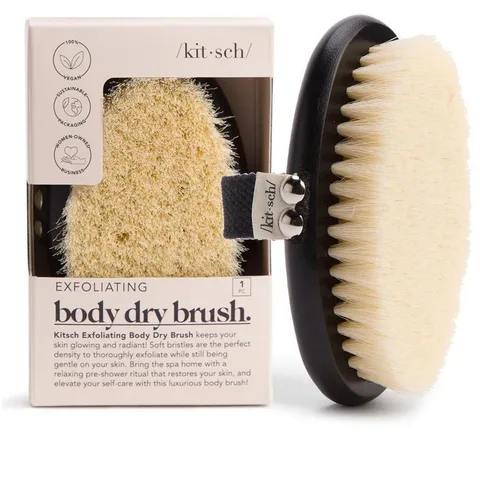 Kitsch Body Dry Brush
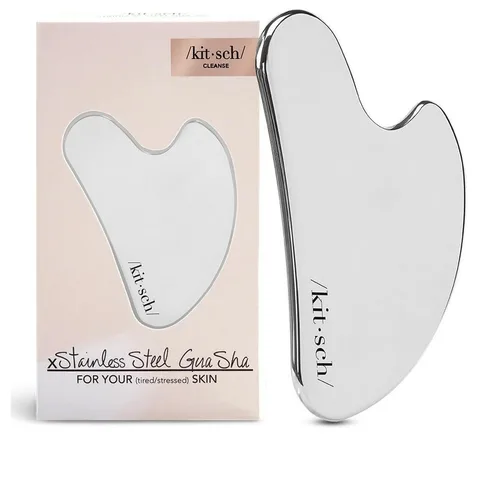 Kitsch Stainless Steel Gua Sha
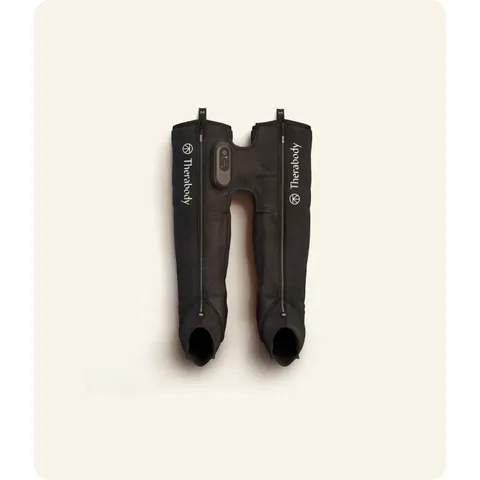 Therabody JetBoots Prime
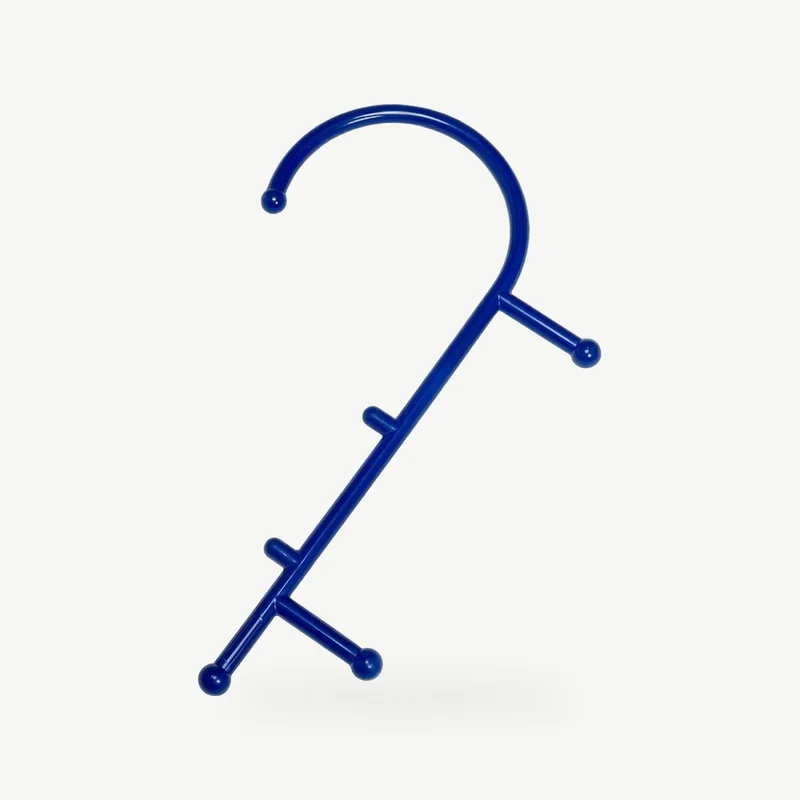 PainFreeU Lymph Cane (our product · ad)
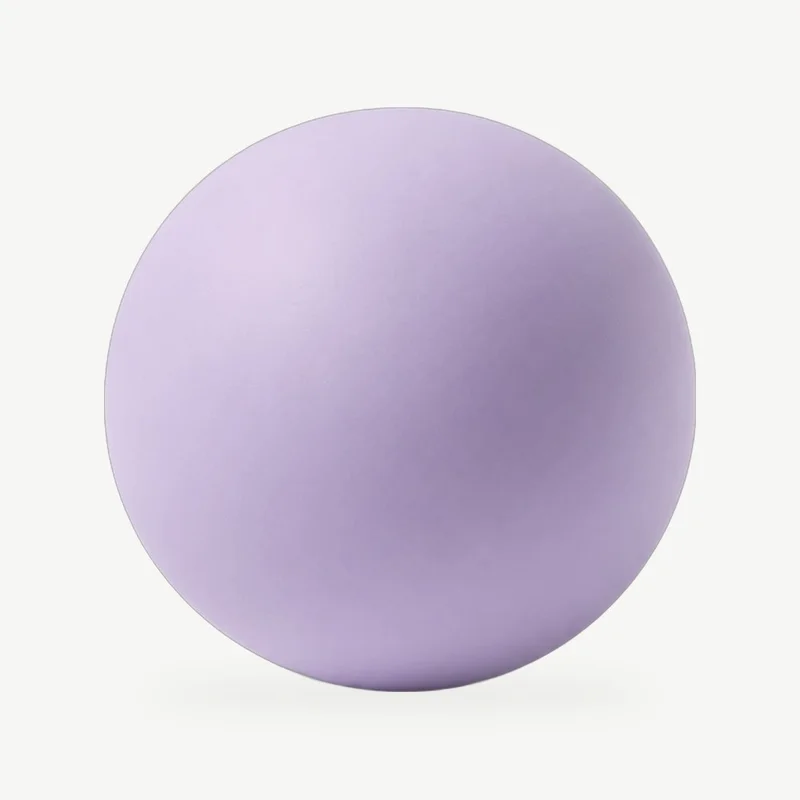 PainFreeU Massage Ball for Lymph-Focused Routines (our product · ad)
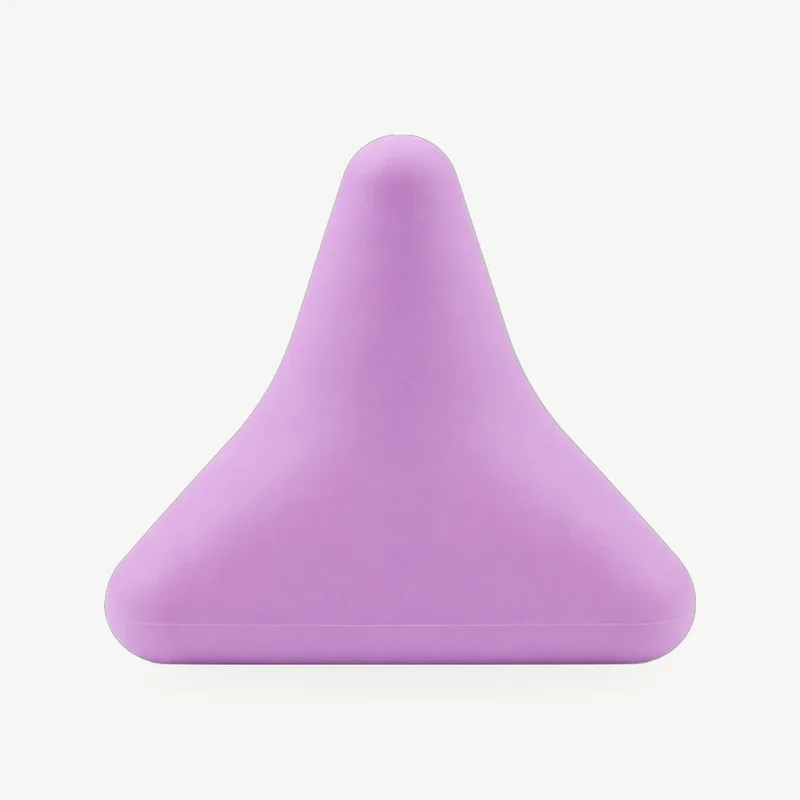 PainFreeU Massage Cone (our product · ad)
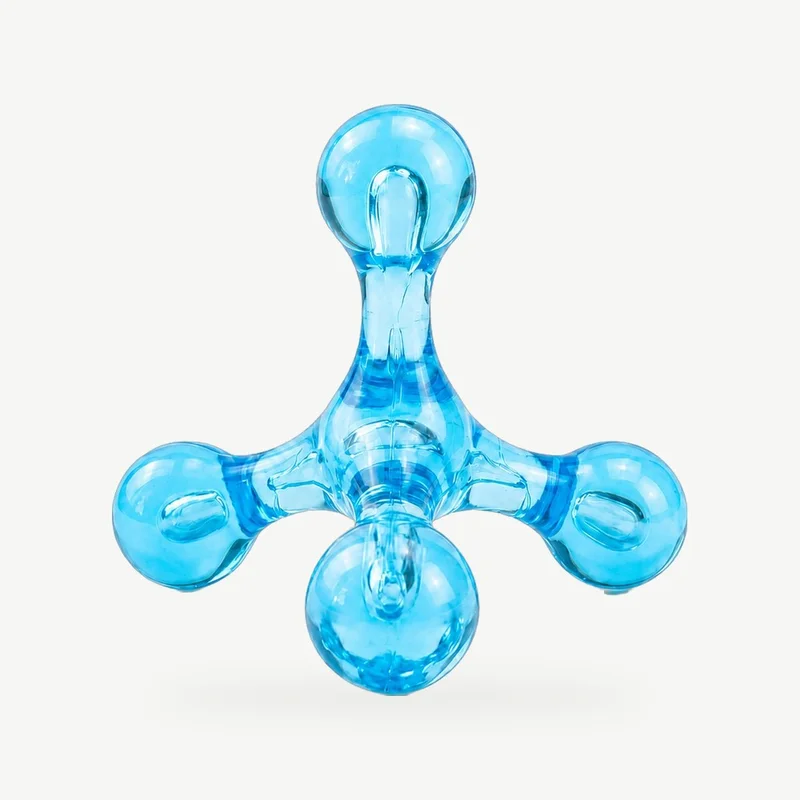 PainFreeU Pressure Tool (four rounded nodes) (our product · ad)